• About Us
  • Container Lifting Equipment
    • Fixed Spreaders
    • Ship to Shore Crane Spreaders
    • Mobile Harbour Crane Spreaders
    • Overheight Spreaders
    • Straddle Carrier Spreaders
    • Yard Crane Spreaders
    • Piggyback spreaders
    • Stinis Split-Headblock
    • Safety Equipment
    • chains & components
  • Service
  • Jobs
  • News
  • Contact

SALES MANAGER

Red line

BEDRIJFSOMSCHRIJVING

Stinis Holland B.V. is een 100% familiebedrijf waarvan de fundamenten zijn gevormd in 1830. Sinds 1967 ontwikkelt en produceert Stinis container spreaders en andere container handling equipment. De ‘ship-to-shore’ spreaders onderscheiden zich in kwaliteit, veiligheid, duurzaamheid en effectiviteit. Met een productielocatie in Nederland (Krimpen aan de Lek) en Maleisië en een verkoop kantoor in Singapore bedienen wij terminals over de hele wereld.  Vanuit Krimpen aan de Lek bedienen we de markten Europa, Midden Oosten, Noord Amerika en Zuid Amerika. Vaak maken we gebruik van lokale agenten voor het eerste contact en om tijdens het verkooptraject optimaal aan te sluiten bij de behoefte van de klant.


JOUW FUNCTIE

Ter uitbreiding van het team zijn we op zoek naar een salesmanager die proactief relaties kan aanknopen en verdiepen met zowel nieuwe als bestaande klanten. Je bent in staat om de wensen van de klant te vertalen naar technologisch maatwerk, in goed overleg met onze engineers. Met hulp van jouw accountplan met een goede marktanalyse en plan van aanpak zorg je voor aansprekende resultaten waarmee je de marktpositie van Stinis versterkt en de verdere groei van de organisatie mogelijk maakt.

Je werkterrein is heel gevarieerd; het ene moment loop je over een beurs in Spanje, het volgende moment sta je op de kade van een spiksplinternieuwe containerterminal in Zuid-Amerika.

Wanneer je niet op reis bent, is jouw standplaats Krimpen aan de Lek. Hier worden ook de projecten gerealiseerd die jij hebt verkocht.  Je werkt nauw samen met de andere salesmanagers, met wie je kennis en ervaring deelt. Bij complexe, internationale aankooptrajecten werk je samen met jouw collega’s uit Singapore.

Je rapporteert aan de sales directeur, wordt ondersteunt door de sales support officer en werkt nauw samen met alle specialisten in de organisatie om zo beslagen mogelijk de markt te kunnen bedienen. De sfeer is open en informeel en je krijgt van ons veel vrijheid en verantwoordelijkheid.

JOUW PROFIEL

Met energie en optimisme benut je de kansen in de markt. Dat zijn echter geen snelle verkooptrajecten, dus je moet een balans kunnen vinden tussen geduld en doortastendheid. Je voelt mensen goed aan en handelt met respect voor culturele verschillen. In complexe aanbestedingstrajecten lees je tussen de regels en heb je een scherp oog voor de contractuele afronding van een succesvol traject. Resultaat telt, maar altijd met de focus op een lange termijnrelatie en het uitbouwen van de sterke naam die Stinis heeft in een transparante wereldmarkt.

Verder breng je mee:

  • Een afgeronde HBO of WO opleiding, bij voorkeur in een technische richting
  • Minimaal 3 jaar internationale saleservaring, bij voorkeur met technische (kapitaal)goederen
  • Een goed gevoel voor talen: naast Nederlands spreek en schrijf je zeer goed Engels en bij voorkeur Spaans en/of Duits.

Regelmatig internationaal reizen is een onderdeel van de functie, tot 40% van je tijd reis je intercontinentaal.


WAT BIEDEN WE JOU

Je kiest voor Stinis Holland op basis van je gevoel, de bevlogen mensen die er werken en omdat je hart sneller gaat kloppen van deze baan. Daar doen we nog een schepje bovenop. Naast een aantrekkelijk marktconform salaris bieden wij met diverse secondaire arbeidsvoorwaarden zoals:

  • een werkweek van 40 uur, waarbij je zelf je begin- en eindtijd mag kiezen
  • 25 vakantiedagen + 13 ATV dagen
  • een winst en bonusregeling
  • een representatieve auto van de zaak
  • een laptop en telefoon
  • ruimte voor persoonlijke ontwikkeling en aanvullende opleidingen


MOCHT JE MEER OVER DEZE FUNCTIE WILLEN WETEN

Kijk verder op www.stinis.com voor meer informatie en aansprekend beeldmateriaal. Mocht je meer over deze functie willen weten, neem dan contact op met Frouke Stinis (HR manager) op 0180-514655 of mail naar pz@stinis.com.

Locatie

Krimpen aan de Lek, The Netherlands

Werk- en denkniveau

HBO of WO

Uren per week

40

Startdatum

Z.s.m.
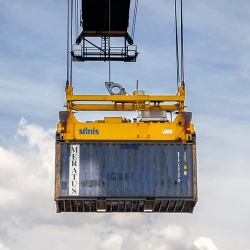
Fixed Frame Spreaders

Red line

Introduction to Fixed Frame Spreaders

Stinis spreaders indonesia

Fixed frame spreaders are essential lifting devices used in the shipping and logistics industry to handle standard-sized containers. Unlike telescopic spreaders, which have adjustable arms, fixed frame spreaders have a rigid structure designed to accommodate specific container dimensions. This simplicity and robustness make them ideal for operations where container sizes are consistent.

Fixed frame spreaders are typically used with various types of cranes, such as mobile harbor cranes, ship-to-shore cranes, and yard cranes. They play a critical role in the efficient handling of containers during loading and unloading operations at ports and terminals. The fixed nature of these spreaders provides stability and reliability in container handling.

Main Characteristics of Fixed Frame Spreaders

Fixed frame spreaders offer several key characteristics that make them highly effective in container handling operations. Their primary feature is the fixed structure, which provides stability and ensures consistent performance for standard container sizes. Constructed from high-strength materials, these spreaders are built to endure the demands of heavy loads and harsh environmental conditions. Additionally, fixed frame spreaders are equipped with advanced safety mechanisms to prevent accidents and ensure secure container handling.

  • Rigid Structure: Designed for standard container sizes, providing stability and reliability.
  • High-Strength Construction: Made from durable materials to withstand heavy loads.
  • Safety Mechanisms: Includes features to prevent accidents and ensure secure handling.
  • Ease of Use: Simple design allows for straightforward operation and maintenance.

Practical Applications of Fixed Frame Spreaders

Fixed frame spreaders are widely used in various sectors of the shipping and logistics industry. Their straightforward design makes them suitable for container terminals, intermodal operations, ports, and warehouse environments. These spreaders excel in environments where container sizes are standardized and operations demand high reliability and consistency.

Common Use Cases for Fixed Frame Spreaders

Fixed frame spreaders are commonly utilized in container terminals for the loading and unloading of standard containers. They are integral to intermodal operations, where containers are transferred between different modes of transport. In ports and harbors, these spreaders facilitate the efficient movement of containers between ships and storage areas. Additionally, fixed frame spreaders are employed in large warehouses to manage container storage and retrieval efficiently.

  • Container Terminals: Handling standard containers during loading and unloading.
  • Intermodal Operations: Transferring containers between various transport modes.
  • Ports and Harbors: Efficient movement of containers between ships and storage areas.
  • Warehouses: Managing container storage and retrieval.

Advantages of Using Fixed Frame Spreaders

Fixed frame spreaders provide several advantages that enhance their effectiveness in container handling operations. Their simplicity and durability reduce maintenance requirements and operational costs. The fixed structure ensures consistent performance for standard container sizes, improving efficiency and reliability. Additionally, the integration of safety mechanisms minimizes the risk of accidents, protecting both personnel and cargo.

  • Simplicity and Durability: Reduced maintenance and operational costs.
  • Consistent Performance: Reliable handling of standard container sizes.
  • Enhanced Safety: Minimized risk of accidents with advanced safety features.
  • Operational Efficiency: Improved efficiency in handling standardized containers.

Maintenance Guidelines for Fixed Frame Spreaders

To ensure the optimal performance and longevity of fixed frame spreaders, regular maintenance is crucial. Maintenance practices include routine inspections, lubrication of moving parts, cleaning, and timely replacement of worn components. Following these guidelines helps maintain the reliability and safety of fixed frame spreaders.

Maintenance Best Practices

Conduct regular inspections of fixed frame spreaders to check for signs of wear, corrosion, and damage. Lubricate moving parts to prevent rust and ensure smooth operation. Keep the spreader clean and free of debris to avoid damage. Replace any worn or damaged components promptly to maintain safety and functionality. Regularly test safety mechanisms to ensure they are functioning correctly.

  • Routine Inspections: Check for wear, corrosion, and damage.
  • Lubrication: Prevent rust and ensure smooth operation.
  • Cleaning: Remove dirt and debris to avoid damage.
  • Component Replacement: Promptly replace worn or damaged parts.
  • Safety Testing: Ensure safety mechanisms are functioning correctly.

Troubleshooting Common Issues

Fixed frame spreaders, despite their robust design, can encounter issues that require troubleshooting. Misalignment or mechanical failure of the twist locks may need mechanical inspection and lubrication. Hydraulic issues, such as leaks, can be addressed by inspecting and repairing hydraulic lines and fittings. Sensor malfunctions might require recalibration or replacement. Control system errors often need software updates or troubleshooting according to the manufacturer’s guidelines.

  • Twist Lock Issues: Inspect and lubricate for proper function.
  • Hydraulic Problems: Inspect and repair hydraulic lines and fittings.
  • Sensor Malfunctions: Recalibrate or replace faulty sensors.
  • Control System Errors: Update software and perform troubleshooting.

Stinis Fixed Frame Spreaders

Stinis is a leading manufacturer of container handling equipment, offering a range of high-quality fixed frame spreaders designed to meet the rigorous demands of the shipping and logistics industry. Stinis fixed frame spreaders are known for their durability, advanced safety features, and reliable performance. These spreaders are designed to handle standard container sizes efficiently, ensuring stability and consistency in container handling operations.

Key Attributes of Stinis Fixed Frame Spreaders

Stinis fixed frame spreaders are constructed from premium materials, ensuring high durability and reliability. They incorporate advanced safety mechanisms to prevent accidents and ensure secure container handling. Designed for seamless integration with various types of cranes and lifting equipment, these spreaders enhance operational efficiency and reliability.

  • High Durability: Made from premium materials to withstand heavy loads and harsh conditions.
  • Advanced Safety Features: Prevent accidents and ensure secure container handling.
  • Reliability: Consistent performance in handling standard container sizes.
  • Operational Efficiency: Seamlessly integrates with various cranes and lifting equipment.

Application of Stinis Fixed Frame Spreaders

Stinis fixed frame spreaders are used in various applications within the shipping and logistics industry. They are ideal for container terminals, intermodal operations, ports, and warehouse environments. The robust and reliable design of these spreaders ensures efficient handling of standard containers in diverse operational settings.

  • Container Terminals: Efficient handling of standard containers.
  • Intermodal Operations: Smooth transfer of containers between different transport modes.
  • Ports and Harbors: Managing container traffic effectively.
  • Warehouse Operations: Facilitating the movement of containers within storage facilities.

Maintenance and Spare Parts

To maintain the reliability and performance of Stinis fixed frame spreaders, regular inspection and maintenance are essential. Stinis provides high-quality spare parts, ensuring that operators can easily replace worn or damaged components to keep their equipment in optimal condition.

  • Regular Inspections: Check for wear, corrosion, and damage.
  • Lubrication and Cleaning: Regular maintenance practices, including lubrication and cleaning, help prevent rust and ensure smooth operation.
  • Replacement Parts: Stinis offers high-quality spare parts to ensure maintenance needs are met promptly.

Future Prospects for Fixed Frame Spreaders

Fixed frame spreaders are critical components in the global logistics and transportation industry. As technology advances, we can expect further improvements in spreader design, such as enhanced materials, integrated safety features, and better durability. These innovations will continue to support the efficient and secure handling of cargo containers, meeting the evolving demands of global trade. Understanding the functionality, maintenance, and applications of fixed frame spreaders is essential for anyone involved in the logistics and transportation sectors. With Stinis at the forefront of spreader innovation, the future of container handling looks promising.

Container Terminals

Red line

Introduction to Container Terminals

Stinis spreaders indonesia

A container terminal is a designated facility where cargo containers are transshipped between different transport vehicles, for onward transportation. The terminal serves as a vital node in the logistics chain, connecting various modes of transportation, such as ships, trucks, and trains. Container terminals are strategically located at seaports, inland ports, and along major transportation corridors to facilitate the efficient movement of goods on a global scale.

Key Components of Container Terminals

    • Berths and Quay Walls: Berths are the sections of a port where ships dock to load and unload cargo. Quay walls are the structures along the water’s edge where berths are located. These areas are equipped with the necessary infrastructure to support large container vessels.
    • Cranes and Handling Equipment: Container terminals are equipped with various types of cranes and handling equipment, such as ship-to-shore (STS) cranes, rubber-tired gantry (RTG) cranes, and straddle carriers. These machines are used to transfer containers between ships, trucks, and storage areas.
    • Storage Areas: Terminals have designated storage areas for containers, which can be either stacked on top of each other or stored on the ground. These areas are organized to maximize space efficiency and facilitate easy access for handling equipment.
    • Gate Complex: The gate complex is the entry and exit point for trucks delivering or picking up containers. It includes security checkpoints, weighbridges, and administrative offices to manage and record the movement of containers.
    • Rail Facilities: Many container terminals are equipped with rail facilities to facilitate the transfer of containers between trains and the terminal. This is especially important for inland terminals that connect seaports to the hinterland.
    • Information Technology Systems: Advanced IT systems are used to manage and track the movement of containers within the terminal. These systems include terminal operating systems (TOS), which coordinate the logistics of container handling and storage.
    • Spreaders: Container spreaders are critical components used in conjunction with cranes to handle containers. They attach to the crane and secure the container for lifting and moving. Spreaders can be fixed or telescopic, with telescopic spreaders being able to adjust to different container sizes.

Operations at Container Terminals

    • Vessel Operations: When a container ship arrives at a terminal, it is moored at a berth, and the unloading and loading process begins. STS cranes transfer containers between the ship and the terminal’s storage area or directly onto waiting trucks and trains.
    • Yard Operations: Containers are stored in the terminal’s yard until they are ready for onward transportation. Yard cranes and straddle carriers are used to move containers within the yard, organizing them for efficient retrieval.
    • Gate Operations: Trucks entering the terminal go through the gate complex, where they are processed, and containers are either delivered or picked up. The gate operations ensure the smooth flow of containers in and out of the terminal.
    • Rail Operations: In terminals with rail facilities, containers are transferred between the yard and rail cars. This operation helps in the efficient movement of goods to and from inland destinations.

Challenges Faced by Container Terminals

    • Congestion: High volumes of container traffic can lead to congestion at berths, yards, and gates, causing delays and reducing terminal efficiency.
    • Environmental Impact: Container terminals generate significant environmental impacts, including emissions from ships, cranes, and trucks, as well as noise and water pollution.
    • Security: Ensuring the security of containers and preventing unauthorized access or tampering is a critical challenge for terminal operators.
    • Infrastructure Maintenance: Maintaining and upgrading the infrastructure to handle larger vessels and increased container volumes is a continuous challenge.

Innovations in Container Terminals

    • Automation: Many terminals are adopting automated systems to increase efficiency and reduce labor costs. Automated guided vehicles (AGVs), automated stacking cranes (ASCs), and remote-controlled cranes are becoming more common.
    • Sustainability Initiatives: Terminals are implementing green technologies, such as electric cranes and renewable energy sources, to reduce their environmental footprint.
    • Digitalization: The use of digital technologies, including blockchain, IoT, and advanced analytics, is improving the visibility and management of container movements.
    • Smart Ports: The concept of smart ports involves integrating various technologies and data sources to create a more connected and efficient port environment.

Future Outlook of Container Terminals

Container terminals are essential hubs in the global logistics network, facilitating the movement of goods between different modes of transportation. With advancements in technology and a focus on sustainability, container terminals are continuously evolving to meet the demands of global trade.

Understanding the operations, challenges, and innovations in container terminals is crucial for improving efficiency and supporting economic growth. The future of container terminals looks promising, with ongoing developments in automation, digitalization, and environmentally friendly practices set to transform the industry further.

Understanding Telescopic Spreaders

Red line

Introduction to Telescopic Spreaders

Telescopic-electric-overheight-frame-stinis-mobile2

Telescopic spreaders are specialized lifting devices used extensively in the shipping and logistics industry to handle containers of varying sizes. Unlike fixed frame spreaders, telescopic spreaders have adjustable arms that can extend and retract, providing the versatility to accommodate different container dimensions. This adaptability makes them an essential tool for modern ports and container terminals, where efficiency and flexibility are paramount.

Telescopic spreaders are typically mounted on cranes, such as mobile harbor cranes, ship-to-shore cranes, and yard cranes. They are designed to handle the rigorous demands of loading and unloading containers, ensuring that operations run smoothly and efficiently. The ability to adjust to different container sizes without needing to switch equipment saves time and reduces operational costs.

Key Features of Telescopic Spreaders

Telescopic spreaders offer several key features that make them indispensable in container handling operations. The primary feature is their adjustable arms, which can extend and retract to fit different container sizes. These spreaders are constructed from high-strength materials to withstand heavy loads and harsh environmental conditions. Additionally, they are equipped with advanced automation and control systems, allowing operators to adjust the spreader dimensions and lock mechanisms remotely. Safety features such as sensors and alarms are also integrated to ensure safe handling of containers.

  • Adjustable Arms: Extendable and retractable to handle various container sizes.
  • High-Strength Materials: Constructed from durable materials to withstand heavy loads.
  • Automation and Control Systems: Advanced systems for remote operation and adjustment.
  • Safety Features: Sensors and alarms to ensure safe container handling.

Applications of Telescopic Spreaders

Telescopic spreaders are used in various applications within the shipping and logistics industry. Their versatility makes them suitable for different container handling scenarios, including container terminals, intermodal operations, warehouse operations, ports and harbors, and construction sites.

Common Applications of Telescopic Spreaders

Telescopic spreaders are commonly used in container terminals for loading and unloading containers from ships, trucks, and trains. They are essential in intermodal operations, facilitating the transfer of containers between different modes of transport. In warehouse operations, telescopic spreaders help move containers efficiently within large storage facilities. Ports and harbors rely on these spreaders to manage container traffic, while construction sites use them to transport and place large containers or prefabricated units.

  • Container Terminals: Loading and unloading containers from ships, trucks, and trains.
  • Intermodal Operations: Transferring containers between different transport modes.
  • Warehouse Operations: Moving containers within large storage facilities.
  • Ports and Harbors: Managing container traffic efficiently.
  • Construction Sites: Transporting and placing large containers or prefabricated units.

Benefits of Telescopic Spreaders in Various Industries

Telescopic spreaders offer numerous benefits across different industries. Their ability to handle containers of varying sizes increases operational efficiency and reduces the need for multiple fixed spreaders. This flexibility translates to cost savings and improved productivity. Additionally, the integration of advanced safety features minimizes the risk of accidents, protecting both personnel and cargo. The use of high-strength materials ensures durability and reliability, making telescopic spreaders a long-term investment for container handling operations.

  • Efficiency: Quick adjustments to different container sizes increase operational efficiency.
  • Cost-Effectiveness: Reduces the need for multiple fixed spreaders, saving costs.
  • Flexibility: Suitable for a wide range of applications beyond shipping.
  • Safety: Advanced safety features reduce the risk of accidents.
  • Durability: High-strength materials ensure long-term reliability.

Maintenance of Telescopic Spreaders

To ensure the longevity and reliable performance of telescopic spreaders, regular maintenance is crucial. Maintenance practices include regular inspections, lubrication of moving parts, cleaning, and timely replacement of worn components.

Best Practices for Maintaining Telescopic Spreaders

Regularly inspect telescopic spreaders for signs of wear and tear, such as cracks, corrosion, and loose bolts. Lubricate all moving parts to prevent rust and ensure smooth operation. Keep the spreader clean and free of debris to avoid damage. Periodically calibrate the automation and control systems to maintain accuracy in handling different container sizes. Test safety features, such as sensors and alarms, to ensure they are functioning correctly.

  • Regular Inspections: Check for wear, corrosion, and damage.
  • Lubrication: Prevent rust and ensure smooth operation.
  • Cleaning: Remove dirt and debris to avoid damage.
  • Calibration: Maintain accuracy in automation and control systems.
  • Safety Checks: Ensure safety features are functioning correctly.

Common Issues and Troubleshooting for Telescopic Spreaders

Despite their robust design, telescopic spreaders can encounter issues that require troubleshooting. Misaligned arms may need adjustment or inspection for obstructions. Faulty twist locks might require mechanical inspection and lubrication. Hydraulic leaks can be addressed by inspecting hydraulic lines and fittings. Sensor malfunctions may necessitate recalibration or replacement. Control system errors can often be resolved through software updates or troubleshooting according to the manufacturer’s guidelines.

  • Misaligned Arms: Adjust and inspect for obstructions.
  • Faulty Twist Locks: Inspect and lubricate the locking mechanism.
  • Hydraulic Leaks: Inspect and repair hydraulic lines and fittings.
  • Sensor Malfunctions: Recalibrate or replace faulty sensors.
  • Control System Errors: Perform software updates and troubleshooting.

Stinis Telescopic Spreaders

Stinis is a renowned manufacturer of container handling equipment, offering a range of high-quality telescopic spreaders designed to meet the demanding needs of the shipping and logistics industry. Stinis telescopic spreaders are known for their durability, advanced automation features, and integration of safety mechanisms. These spreaders are designed to handle a wide range of container sizes, ensuring flexibility and efficiency in container handling operations.

Key Features of Stinis Telescopic Spreaders

Stinis telescopic spreaders are constructed from premium materials, ensuring high durability and reliability. They incorporate advanced automation systems for remote operation and adjustment, enhancing operational efficiency. Safety features such as sensors and alarms are integrated to prevent accidents and ensure secure container handling. These spreaders are designed to seamlessly integrate with various types of cranes and other lifting equipment used in container terminals and ports.

  • High Durability: Made from premium materials to withstand heavy loads and harsh conditions.
  • Advanced Automation: Systems for remote operation and adjustment.
  • Safety Mechanisms: Sensors and alarms to prevent accidents.
  • Versatility: Designed to handle a wide range of container sizes.

Applications of Stinis Telescopic Spreaders

Stinis telescopic spreaders are used in various applications within the shipping and logistics industry. They are ideal for container terminals, intermodal operations, ports and harbors, and warehouse operations. Their versatility and efficiency make them suitable for handling containers in diverse operational environments.

  • Container Terminals: Efficient loading and unloading of containers.
  • Intermodal Operations: Smooth transfer of containers between different transport modes.
  • Ports and Harbors: Managing container traffic effectively.
  • Warehouse Operations: Facilitating the movement of containers within storage facilities.

Maintenance and Spare Parts

To maintain the reliability and performance of Stinis telescopic spreaders, regular inspection and maintenance are essential. Stinis provides high-quality spare parts, ensuring that operators can easily replace worn or damaged components to keep their equipment in optimal condition.

  • Regular Inspections: Check for wear, corrosion, and damage.
  • Lubrication and Cleaning: Regular maintenance practices, including lubrication and cleaning, help prevent rust and ensure smooth operation.
  • Replacement Parts: Stinis offers high-quality spare parts to ensure maintenance needs are met promptly.

Future Outlook of Telescopic Spreaders

Telescopic spreaders are indispensable components in the global logistics and transportation industry. As technology advances, we can expect further improvements in spreader design, such as enhanced automation, better materials, and integrated safety features. These innovations will continue to support the efficient and secure handling of cargo containers, meeting the evolving demands of global trade. Understanding the functionality, maintenance, and applications of telescopic spreaders is essential for anyone involved in the logistics and transportation sectors. With Stinis at the forefront of spreader innovation, the future of container handling looks robust and promising.

Comprehensive Guide to Container Spreaders

Red line
Stinis spreaders indonesia

Container spreaders are essential container lifting equipment in the shipping industry, utilized to efficiently lift and transport shipping containers from one location to another. These spreaders attach to cranes or other lifting machinery, enabling the safe and effective handling of containers during loading and unloading operations. With the global trade of billions of containers annually, the role of container spreaders in ensuring seamless logistics cannot be overstated.

What Are Container Spreaders?

Container spreaders are specialized devices designed to lift, carry, and place shipping containers with precision. They come in various types, each tailored to handle specific container sizes and weights, ensuring versatility and reliability in different operational scenarios.

Types of Container Spreaders

Understanding the different types of container spreaders is crucial for selecting the right equipment for your needs. Below are the main categories:

  • Fixed Frame Spreaders
  • Telescopic Spreaders
  • Specialized Spreaders

Fixed Frame Spreaders

Stinis RC Autotwist 20ft

Fixed Frame Spreaders

Fixed frame spreaders have a rigid frame designed to accommodate a specific range of container sizes. They are built for stability and reliability in handling standard containers. Examples from Stinis include:

  • Semi-Autotwist
  • Autotwist
  • Remote Controlled Autotwist
  • Overheight Spreaders / Overheight Frames (available as both fixed and telescopic)

Telescopic Spreaders

Stinis MHC Telescopic Spreader

Telescopic Spreaders

Telescopic spreaders feature adjustable arms that can extend or retract to fit different container sizes, providing flexibility for handling a wide variety of containers. Examples from Stinis include:

  • Mobile Harbour Crane Spreaders
  • Ship to Shore Crane Spreaders
  • Yard Crane Spreaders
  • Piggyback Spreaders
  • Overheight Spreaders / Overheight Frames (available as both fixed and telescopic)

Specialized Spreaders

Stinis Split-Headblock

Specialized Spreaders

Specialized spreaders are designed to meet specific container handling requirements, such as managing oversized containers or unique lifting needs. Examples from Stinis include:

  • Overheight Spreaders/Overheight Frames (available as both fixed and telescopic)
  • Stinis Split-Headblock
  • Piggyback Spreaders
  • Safety Cage Spreaders
  • Safety Lashing Gondola

Each specialized spreader type offers unique advantages, ensuring that even non-standard containers can be handled safely and efficiently.

Applications of Different Spreader Types

Selecting the appropriate type of container spreader depends on various factors, including container size, weight, and operational environment. For instance:

  • Fixed Frame Spreaders are ideal for operations with standardized container sizes, providing consistent performance.
  • Telescopic Spreaders offer versatility in environments where multiple container sizes are handled regularly.
  • Specialized Spreaders are essential in scenarios involving oversized containers or unique lifting requirements, ensuring safety and efficiency.

Understanding these applications helps in choosing the right spreader type to match specific logistical needs, thereby optimizing container handling processes.

Construction and Safety Features

Container spreaders are typically constructed from high-strength steel to endure the heavy loads and challenging conditions found in shipping ports. Key safety features include:

  • Twist Locks: Ensure containers are securely locked during lifting and movement.
  • Shock-Absorbing Systems: Protect both the container and spreader from sudden impacts or shifts.
  • Sensors: Monitor load stability and spreader integrity in real-time.

Best Practices for Using Container Spreaders

To ensure the longevity and optimal performance of container spreaders, adhering to best practices is essential. Here are some key guidelines:

Proper Maintenance

  • Regular Inspections: Check for signs of wear and tear, such as cracks or loose bolts.
  • Lubrication: Grease all moving parts to prevent corrosion and ensure smooth operation.
  • Cleaning: Keep the spreader clean and free of debris to avoid damage and maintain functionality.

Correct Attachment

  • Secure Connection: Ensure the spreader is properly attached to the crane or lifting equipment before use.
  • Engage Locks: Double-check that the container locks are securely engaged before lifting.

Safe Handling

  • Follow Manufacturer’s Guidelines: Adhere to the operational instructions provided by the spreader’s manufacturer.
  • Load Capacity: Avoid overloading the spreader beyond its rated capacity to prevent accidents and equipment damage.
  • Lifting Techniques: Use proper techniques to prevent container damage and reduce the risk of injury.

Regular Training

  • Operator Training: Provide comprehensive training for all operators on the safe and effective use of container spreaders.
  • Feature Familiarization: Ensure operators are well-versed in the specific features and limitations of the spreaders they use.

Effective Communication

  • Clear Communication Channels: Maintain open lines of communication between crane operators and ground personnel.
  • Coordination Tools: Utilize hand signals or radios to coordinate movements, ensuring safe and efficient container handling.

Enhancing Efficiency and Safety

By implementing these best practices, operators can significantly enhance efficiency, reduce the risk of accidents, and extend the lifespan of container spreaders. Proper maintenance, secure attachment, safe handling, regular training, and clear communication are fundamental to effective spreader operations in ports and container terminals.

Expand Your Knowledge on Container Spreaders

Are you looking to deepen your knowledge on container spreaders? Our comprehensive guide offers all the information you need to become an expert in this field. Whether you are a shipping professional, a logistics student, or simply curious about container operations, our guide is the perfect resource.

Get in touch with us now

We’re here to help you navigate the complexities of container spreaders and ensure you have the right equipment for your operational needs. Whether you have questions about our products, need technical support, or want to discuss customized solutions, our dedicated team is ready to assist you.

Contact Stinis
  • 1
  • 2
  • 3
  • …
  • 6
  • Next Page »

Pages

Container Lifting Equipment
About us
Services
News
Jobs

Contact

Stinis Holland
Stinis Singapore
Stinis Malaysia

Social Media

facebook stinisblack pixel instagram stinisblack pixellinkedin stinis

Back to top ^

Last posts

  • TOC Europe 2026
  • Sales Manager
  • Mechanical Project Engineer

Stinis © 2021–2026 - Disclaimer - Cookies - Privacy Statement