
Container Terminals

Introduction to Container Terminals
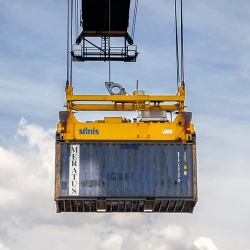
A container terminal is a specialized logistics facility where cargo containers are transferred between different modes of transportation, including container ships, trucks, and rail networks. As a critical hub within the global supply chain, container terminals play an essential role in ensuring the smooth, efficient, and timely movement of goods around the world. These facilities are designed to handle large volumes of containerized cargo, supporting import, export, and transshipment operations across international markets. Modern container terminals are equipped with advanced handling equipment, such as ship-to-shore cranes, rubber tyred gantry cranes (RTGs), rail mounted gantry cranes (RMGs), and container spreaders, enabling fast and safe container handling. Efficient terminal operations help reduce vessel turnaround times, optimize yard storage capacity, and improve overall supply chain performance. Container terminals are strategically located at major seaports, inland ports, and key transportation corridors to provide seamless connections between maritime, road, and rail transport. By facilitating the efficient flow of cargo, these terminals support global trade, economic growth, and the reliable distribution of products across industries ranging from manufacturing and retail to agriculture and energy. As international trade volumes continue to grow, container terminals remain indispensable for maintaining efficient and sustainable logistics networks worldwide.
Key Components of Container Terminals
Berths and Quay Walls: Berths are the sections of a port where ships dock to load and unload cargo. Quay walls are the structures along the water’s edge where berths are located. These areas are equipped with the necessary infrastructure to support large container vessels.
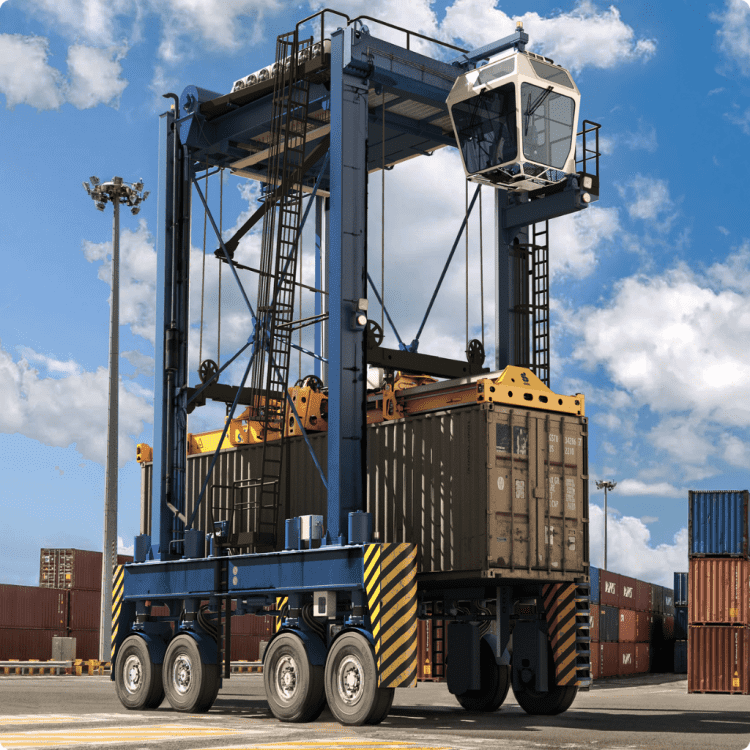
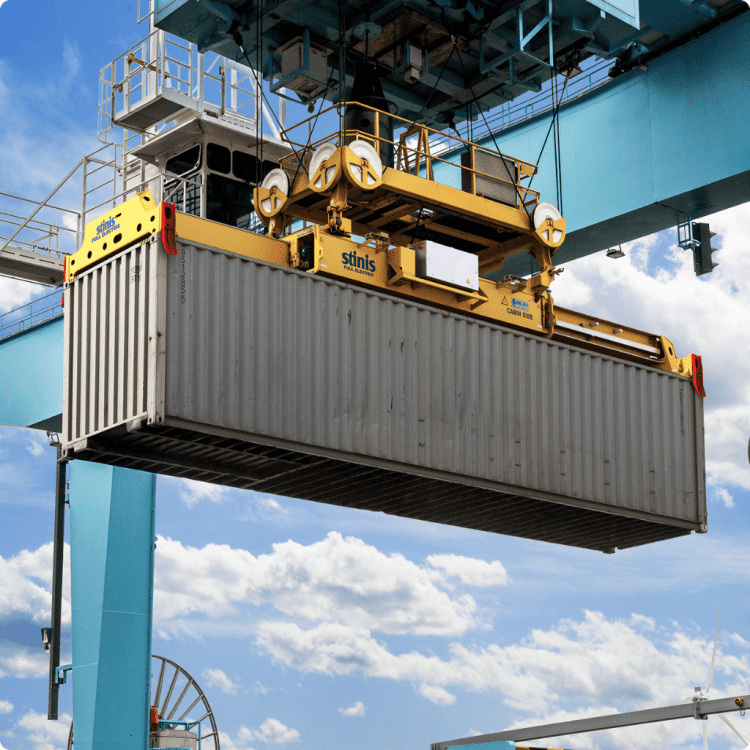
Cranes and Handling Equipment: Container terminals are equipped with various types of cranes and handling equipment, such as ship-to-shore (STS) cranes, rubber-tired gantry (RTG) cranes, and straddle carriers. These machines are used to transfer containers between ships, trucks, and storage areas.
Storage Areas: Terminals have designated storage areas for containers, which can be either stacked on top of each other or stored on the ground. These areas are organized to maximize space efficiency and facilitate easy access for handling equipment.
Gate Complex: The gate complex is the entry and exit point for trucks delivering or picking up containers. It includes security checkpoints, weighbridges, and administrative offices to manage and record the movement of containers.
Rail Facilities: Many container terminals are equipped with rail facilities to facilitate the transfer of containers between trains and the terminal. This is especially important for inland terminals that connect seaports to the hinterland.
Information Technology Systems: Advanced IT systems are used to manage and track the movement of containers within the terminal. These systems include terminal operating systems (TOS), which coordinate the logistics of container handling and storage.
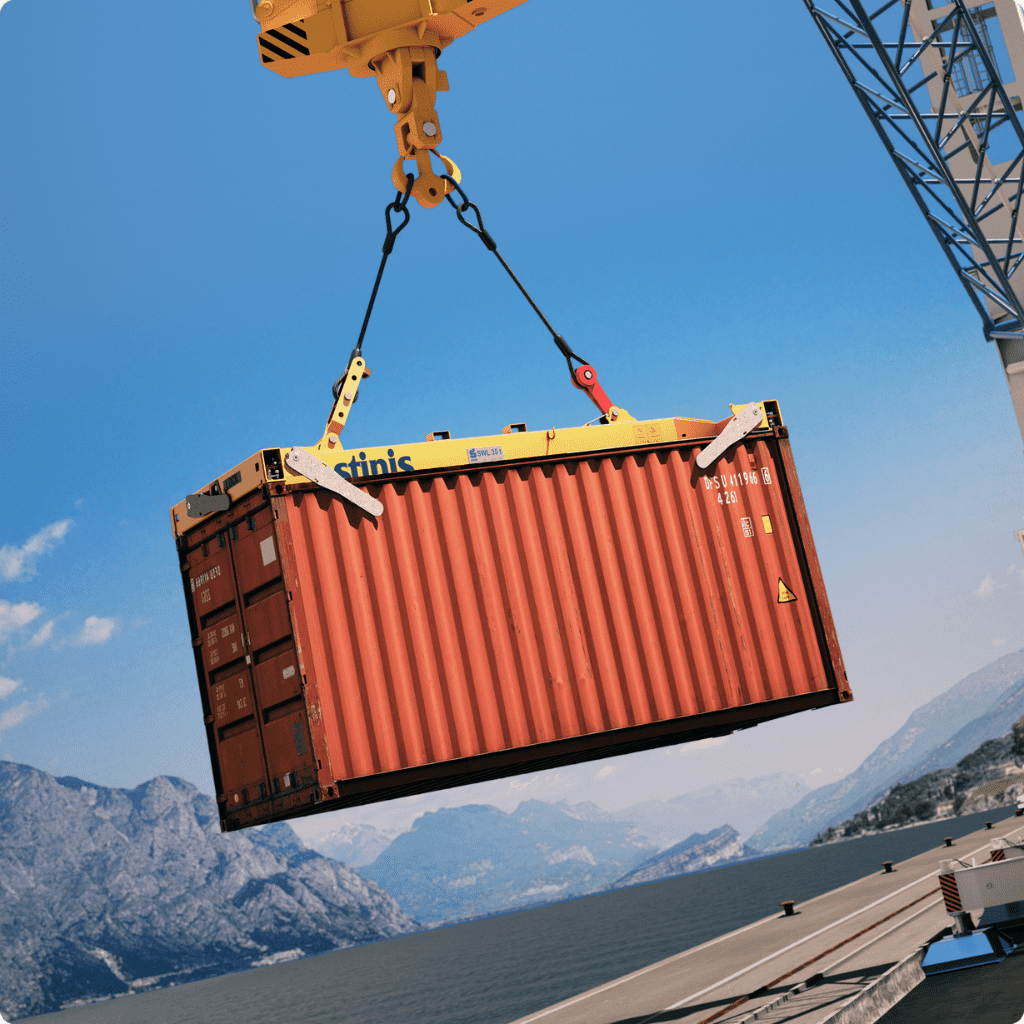
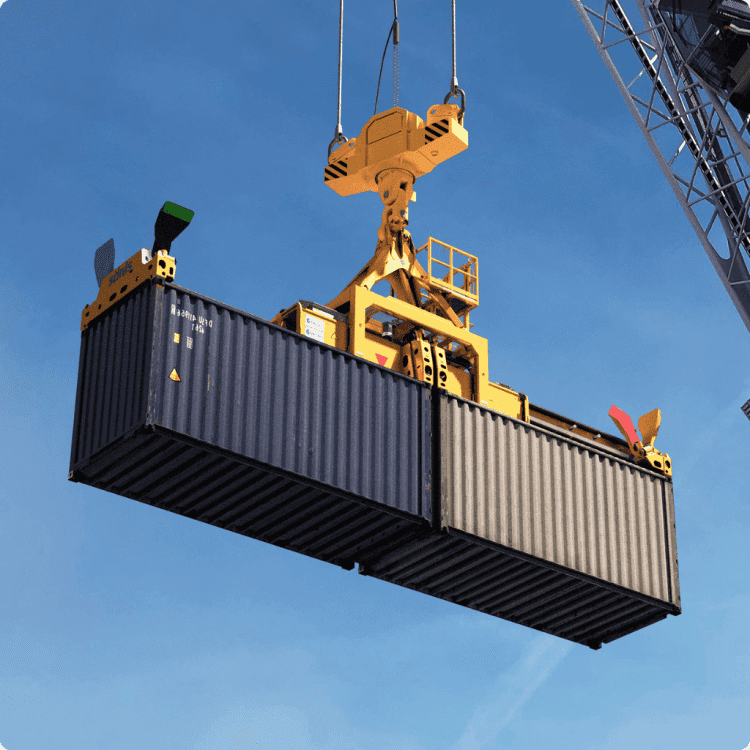
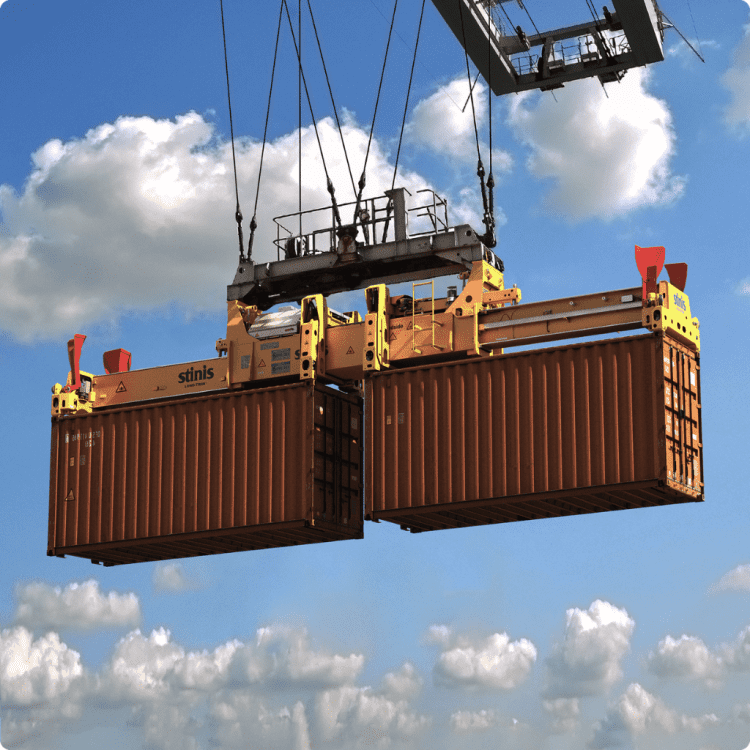
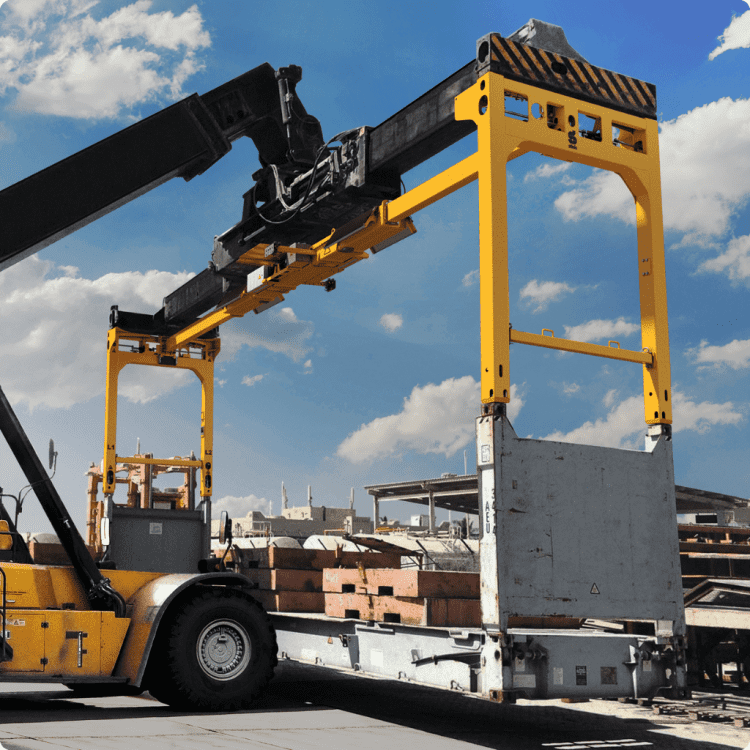
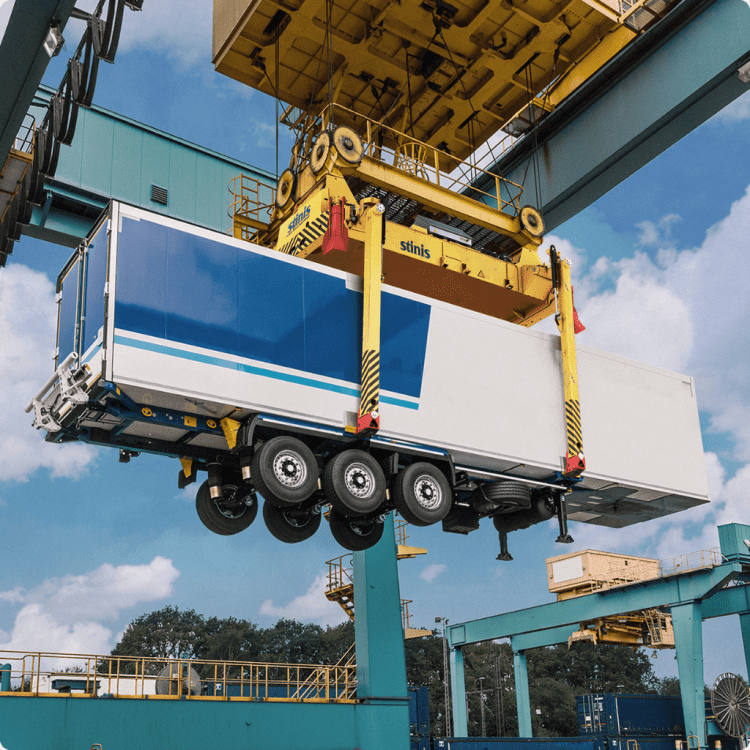
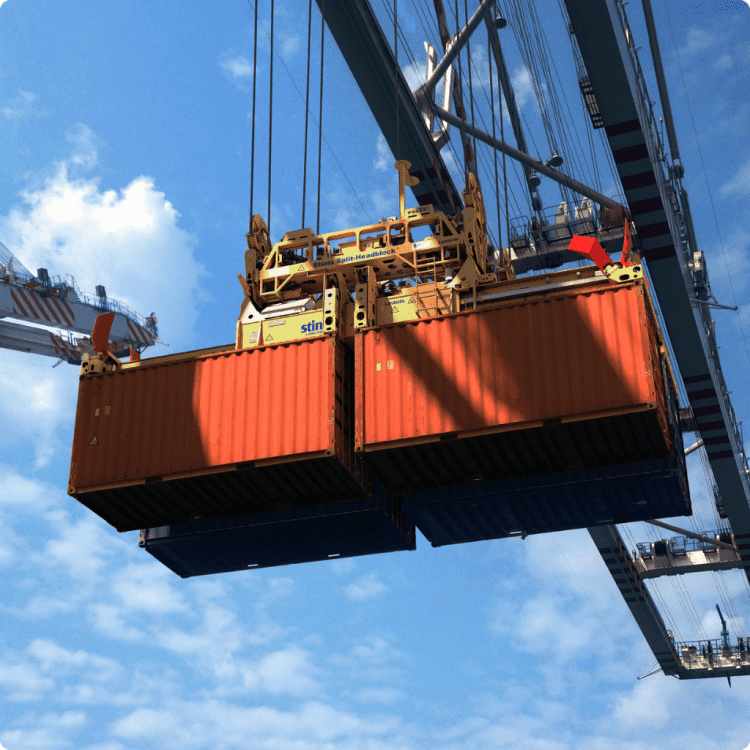
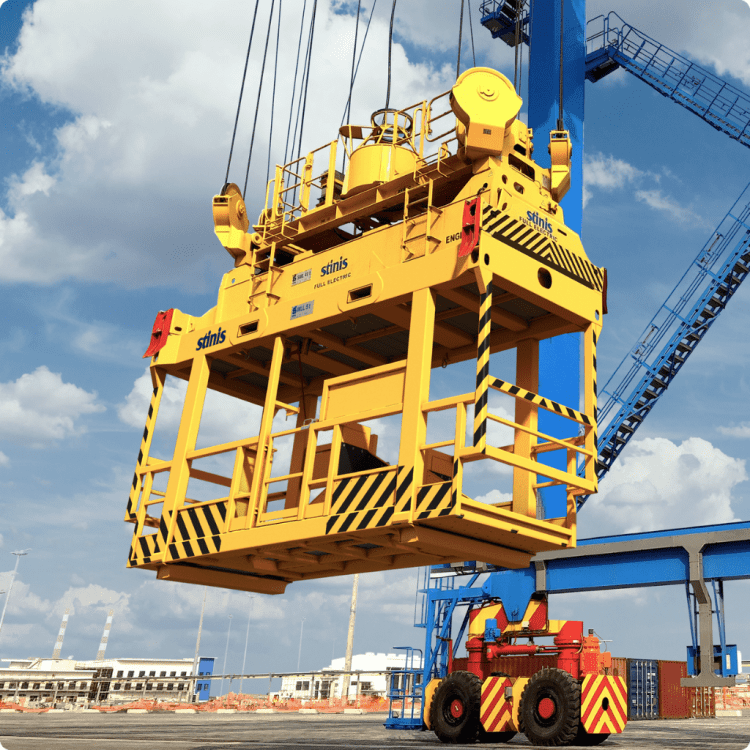
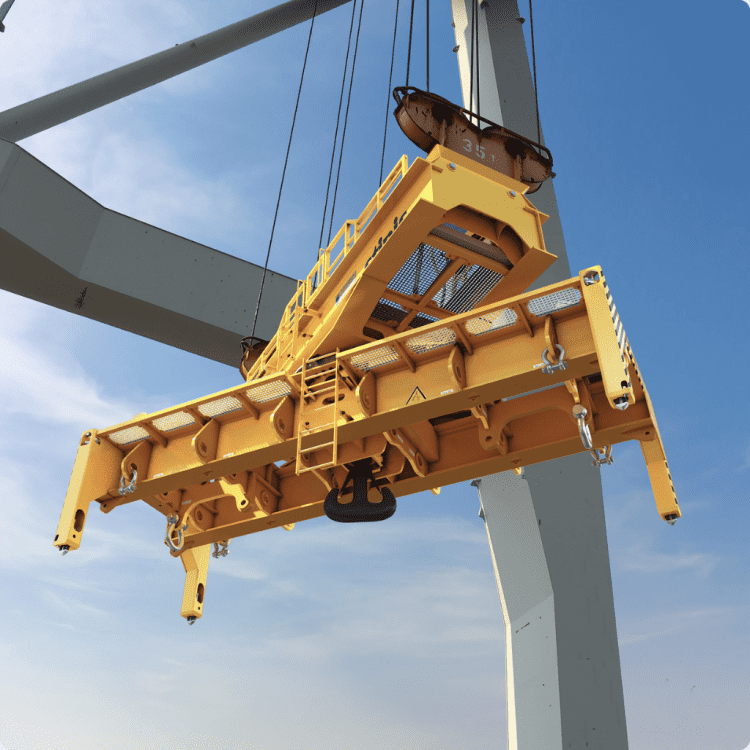
Spreaders: Container spreaders are critical components used in conjunction with cranes to handle containers. They attach to the crane and secure the container for lifting and moving. Spreaders can be fixed or telescopic, with telescopic spreaders being able to adjust to different container sizes.
Container Handling Equipment
Spreaders



Operations at Container Terminals
Vessel Operations: When a container ship arrives at a terminal, it is moored at a berth, and the unloading and loading process begins. STS cranes transfer containers between the ship and the terminal’s storage area or directly onto waiting trucks and trains.
Yard Operations: Containers are stored in the terminal’s yard until they are ready for onward transportation. Yard cranes and straddle carriers are used to move containers within the yard, organizing them for efficient retrieval.
Gate Operations: Trucks entering the terminal go through the gate complex, where they are processed, and containers are either delivered or picked up. The gate operations ensure the smooth flow of containers in and out of the terminal.
Rail Operations: In terminals with rail facilities, containers are transferred between the yard and rail cars. This operation helps in the efficient movement of goods to and from inland destinations.
Challenges Faced by Container Terminals
Congestion: High volumes of container traffic can lead to congestion at berths, yards, and gates, causing delays and reducing terminal efficiency.
Environmental Impact: Container terminals generate significant environmental impacts, including emissions from ships, cranes, and trucks, as well as noise and water pollution.
Security: Ensuring the security of containers and preventing unauthorized access or tampering is a critical challenge for terminal operators.
Infrastructure Maintenance: Maintaining and upgrading the infrastructure to handle larger vessels and increased container volumes is a continuous challenge.
Innovations in Container Terminals
Automation: Many terminals are adopting automated systems to increase efficiency and reduce labor costs. Automated guided vehicles (AGVs), automated stacking cranes (ASCs), and remote-controlled cranes are becoming more common.
Sustainability Initiatives: Terminals are implementing green technologies, such as electric cranes and renewable energy sources, to reduce their environmental footprint.
Digitalization: The use of digital technologies, including blockchain, IoT, and advanced analytics, is improving the visibility and management of container movements.
Smart Ports: The concept of smart ports involves integrating various technologies and data sources to create a more connected and efficient port environment.
Future Outlook of Container Terminals
Container terminals are essential hubs in the global logistics network, facilitating the movement of goods between different modes of transportation. With advancements in technology and a focus on sustainability, container terminals are continuously evolving to meet the demands of global trade.
Understanding the operations, challenges, and innovations in container terminals is crucial for improving efficiency and supporting economic growth. The future of container terminals looks promising, with ongoing developments in automation, digitalization, and environmentally friendly practices set to transform the industry further.